

Key Takeaways
- Alignment workshops fail most often because they're built around topics, not decisions. A good 2027 planning offsite produces named owners and dated commitments, not a shared slide deck.
- Research on team performance (Gallup's engagement work is the clearest example) consistently ties clarity of purpose to execution speed. Alignment isn't a soft outcome. It shows up in how fast decisions move afterward.
- The agenda structure matters more than the venue. A three-day resort with a bad agenda produces worse results than a one-day offsite with a sharp one.
- Budget conversations should happen before the agenda, not after. Executive retreat locations, format, and length all follow from what the workshop needs to accomplish, not the other way around.
- Measurement is the part most companies skip. If nobody's checking whether decisions from the workshop actually got executed by Q2, the workshop was theater with good catering.
Most leadership alignment workshops are theater. Expensive theater, with a nice AV setup and a facilitator who's read one too many books on psychological safety, but theater all the same. Everyone performs alignment for two days, applauds the closing remarks, and flies home to keep doing exactly what they were doing before.
That's not a cynical take. It's just what happens when a company treats "2027 planning" as an event instead of a decision-making process that happens to occur off-site.
If your leadership team is heading into a workshop this year to set direction for 2027, the agenda you build (or don't build) will determine almost everything. Not the resort. Not the keynote speaker. The sequence of conversations, and whether that sequence forces actual decisions.
Why 2027 Planning Needs More Than a Strategy Deck
Here's the thing about strategy decks: everyone already agrees with them by the time they're presented. The disagreement, the actual friction that determines whether a strategy survives contact with Q1, happens somewhere else. Usually in hallway conversations, side Slack channels, or not at all.
Gallup's research on team engagement and manager clarity makes a point worth sitting with: teams don't disengage because they lack information. They disengage because they lack clarity on what actually matters and whether leadership is being honest about it. A 2027 planning workshop that skips the honest part and goes straight to priority-setting is building on sand.
McKinsey's work on strategy execution makes a similar argument from a different angle: most strategies don't fail because they're wrong, they fail because the organization never built shared conviction around them. You can read that in McKinsey's insights on strategic decision-making and come away with the same conclusion I've reached after years of designing these programs: alignment isn't the fluffy part of the offsite. It's the mechanism that makes the strategy real.
So when a leadership team books a workshop billed as "2027 strategy planning," the real question isn't what topics get covered. It's whether the room is set up to produce actual disagreement, followed by actual resolution.
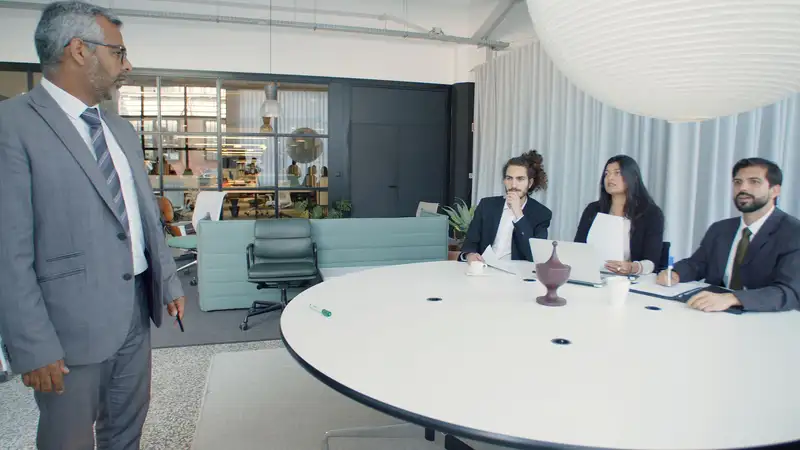
What a Real Alignment Workshop Requires (That Most Don't Have)
I've sat in enough of these rooms to notice the pattern. The workshops that produce something durable share three things the mediocre ones don't.
They start with an honest diagnosis, not a vision statement. Before anyone talks about 2027, someone in the room needs to say the quiet thing. The market shift nobody's fully priced in. The org design that's quietly failing. The bet the company made two years ago that isn't paying off. Skip this and every subsequent conversation is built on a fiction everyone's too polite to name.
They force prioritization, not just brainstorming. A leadership team can generate forty good ideas for 2027 in an hour. Generating three that everyone will actually defend in March, when budget gets tight, takes real structure and real friction. If your agenda doesn't include a session where people have to kill ideas, not just add them, you haven't done the hard work yet.
They end with ownership, not enthusiasm. Enthusiasm evaporates by the following Tuesday. Named owners with dated deliverables don't.
None of this is complicated. It's just uncomfortable, which is exactly why most internal-only offsites drift toward the safer version: status updates dressed up as strategy, a motivational closing video, and a group photo.
The Workshop That Fails vs. The One That Works
It helps to see this side by side. Here's what separates a leadership alignment workshop that produces real 2027 traction from one that produces a nice memory.
| Element | The Workshop That Fails | The Workshop That Works |
|---|---|---|
| Opening | Recap of last year's numbers | Honest diagnosis: what isn't working right now |
| Agenda source | Whoever has the loudest voice gets a slot | Built around 3-5 decisions that must get made |
| Facilitation | CEO runs it, defends every idea | External facilitator, or a leader willing to be challenged |
| Prioritization | Everything stays "important" | Explicit trade-offs, things get cut |
| Closing | Group photo, applause | Named owners, dates, a follow-up mechanism |
| Follow-through | Slide deck emailed, never opened | 30/60/90-day check-in scheduled before anyone leaves the room |
| Venue role | Backdrop for a normal meeting | Chosen deliberately to change the room's dynamics |
That last row matters more than people think. A resort ballroom that looks exactly like a conference room back home produces the same conversations you'd have back home. Which is why so many companies are moving 2027 planning into different formats entirely: team bonding retreat structures that blend working sessions with informal time, or a team building retreat built around a single location that forces people out of their usual roles.
A Framework for the 2027 Alignment Agenda
The shape that actually works has three movements. Call them Diagnose, Decide, Commit.
Diagnose is where the team gets honest about where things stand. Not a performance review of 2026. A shared, unvarnished read on what's actually true right now: market position, internal friction, capability gaps, the stuff nobody says out loud in the Monday staff meeting.
Decide is the meaty middle. This is where the 2027 priorities actually get chosen, argued over, and narrowed down. It should feel a little tense. If it doesn't, you're not deciding anything, you're just confirming what everyone already believed walking in.
Commit converts the decisions into something that survives the flight home. Owners named. Dates set. A follow-up cadence agreed on before anyone checks out of the hotel.
Skip Commit and you've run an expensive brainstorming session. I've watched teams spend two full days in Diagnose and Decide, run out of runway, and rush Commit into the last fifteen minutes before checkout. It never sticks. The decisions get made, then dissolve the moment people are back in their inboxes.
A Sample Two-Day Agenda for 2027 Strategy Alignment
Built for a leadership team of 10-15 people. Adjust timing for your group, but resist the urge to compress it.
Day One
8:00 AM - Informal breakfast. Don't structure this. The pre-session conversations that happen over coffee are often more honest than anything on the agenda.
9:00 AM - Framing session (60 min). The CEO or facilitator names what's at stake for 2027 specifically, not a generic "vision" talk. Why this year, why now, what does the team need to walk away with.
10:15 AM - The Honest Diagnosis (90 min). This is the uncomfortable one. What's the market reality nobody's said out loud? Where is the org structure actively working against the strategy? A skilled outside facilitator earns their fee here, mostly by asking the question a direct report wouldn't dare ask the CEO.
12:00 PM - Lunch, unstructured (75 min).
1:15 PM - Strategic Bets for 2027 (2.5 hrs). The room narrows a long list down to 3-5 real priorities. This session needs a forcing mechanism (dot voting, forced ranking, a hard cap on "priority" slots) or it just produces another long list with a new label.
4:00 PM - Break, then a working walk or informal activity. Not mandatory fun. Optional, low-pressure, and genuinely useful for resetting energy before dinner.
7:00 PM - Dinner, no agenda. This is where relationships actually shift. I've run programs where the entire tenor of the following day changed because of a conversation that happened over a long dinner the night before, not because of anything on a slide. If your offsite is somewhere in central Italy, this is exactly the kind of evening that does the real work: the kind of unhurried table you'd find during an evening passeggiata through a town like Soriano nel Cimino, where nobody's checking a phone because there's genuinely nothing else pulling at their attention.
Day Two
8:30 AM - Recap and re-entry (30 min). Quick reflection on what surfaced overnight. Sometimes the best insight from a workshop arrives at breakfast on day two, not during the actual session.
9:00 AM - Resourcing and trade-offs (2 hrs). Now the hard part: what gets funded, what gets deprioritized, what capability gaps need to be addressed before any of this is real.
11:15 AM - Risk and dependency mapping (90 min). What could derail the 2027 plan. Who owns watching for it.
1:00 PM - Lunch.
2:00 PM - Commitment session (2 hrs). Owners assigned. Dates set. A 30/60/90-day check-in scheduled on the spot, not "we'll figure out logistics later."
4:15 PM - Closing (45 min). Not a group photo session. A round where each leader states, out loud, what they're personally committing to change.
Where This Happens Matters More Than People Admit
There's a temptation to treat location as a line item. Book a decent conference hotel, get the AV right, move on. But the format and location of a 2027 alignment workshop actually shape how honest the room is willing to be.
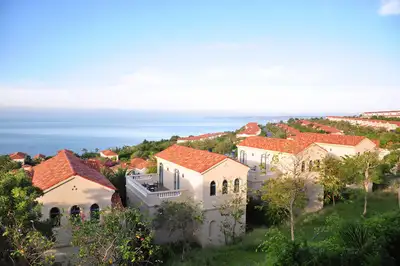
I've seen leadership teams go through the exact same agenda in two different settings and get wildly different results. In a generic conference center an hour from headquarters, the "Honest Diagnosis" session produced polite hedging. In a small villa setting outside a town in Umbria, with no phones, no hallway to retreat to, and dinner that ran three hours, the same group said things to each other they'd apparently been avoiding for a year.
That's not magic. It's environment design. A location that removes the usual escape routes (the quick email check, the "I have a call at 3") forces the room to actually be in the room.
This is also where the distinction between a company offsite and a true executive retreat starts to matter. A company offsite can happen anywhere convenient. An executive retreat, the kind meant to produce real strategic alignment, tends to benefit from more deliberate choices: fewer distractions, smaller group size, a setting that signals "this time is different" the moment people arrive.
It pays to separate this from incentive travel entirely. Incentive trips and corporate incentive trips exist to reward performance, and they're built around a completely different emotional register: celebration, recognition, a bit of indulgence. MICE incentive travel programs do that job well, and there's nothing wrong with an all-inclusive corporate retreat built purely for that purpose. But a 2027 alignment workshop is working muscle, not reward. Confusing the two formats is one of the more common planning mistakes I see: leadership teams try to bolt a strategy session onto what's fundamentally an incentive trip agenda, and the strategy session gets fifteen distracted minutes between the golf outing and the closing dinner.
Common Mistakes That Undercut the Agenda
Front-loading the schedule and starving the Commit phase. Teams get excited about the diagnostic and decision-making sessions and run long. Then Commit gets fifteen rushed minutes before the airport shuttle arrives. The decisions made under time pressure rarely get real ownership.
Treating the facilitator as optional. A CEO can't facilitate their own honest diagnosis session. They're too close to the answer, and everyone in the room knows it. Bringing in someone external isn't a luxury for these workshops, it's structural.
Over-scheduling the social program. Mandatory team building exercises wedged into every evening signal that leadership doesn't trust the group to connect on its own. One well-chosen evening (a shared dinner, a local activity, something with texture) does more than three structured "bonding" sessions stacked back to back.
Skipping measurement entirely. This is the one that costs companies the most, long-term. A leadership team spends two days making real decisions about 2027, then nobody checks in ninety days later to see what actually happened. The workshop becomes a good memory instead of a turning point. Deloitte's work on organizational alignment (found in Deloitte Insights' research on leadership team effectiveness) points to the same gap most companies have: they measure engagement and sentiment right after the event, then never look back. If nobody's tracking whether the named owners actually delivered, the workshop's real ROI is unknowable.
Matching the Format to the Stakes
Not every 2027 planning conversation needs the full two-day treatment. Here's how to scale the framework.
| Format | Length | Best For |
|---|---|---|
| Quarterly Pulse | 1 day | Checking alignment on priorities already set, adjusting for new information |
| Leadership Alignment Workshop | 2 days | Setting or re-setting 2027 priorities from scratch, the core use case here |
| Full Strategy Offsite | 3 days | Annual planning cycles with heavier external input (customers, market analysts) |
| Leadership Team Development | 2-3 days | When the issue isn't the strategy, it's how the team works together |
Companies often default to the biggest format because it feels more serious. It isn't necessarily. A well-run one-day pulse check can do more for alignment than a poorly structured three-day retreat where half the sessions never land.
Making the Location Decision
Once the agenda's built, the venue conversation gets a lot simpler, because you already know what the room needs to feel like. Some leadership teams want a resort setting with minimal logistics, the classic corporate retreat locations built for exactly this purpose. Others want something smaller and more distinctive, a setting that signals this offsite is different from the last five.
If your team is drawn toward Italy for a 2027 alignment session, it's worth knowing what the environment actually offers beyond the obvious. The daily rhythm in smaller towns tends to slow a group down in ways a resort can't manufacture. A leadership team I worked with years ago ran their honest diagnosis session the morning after watching a morning market open in Soriano nel Cimino's central piazza, and the shift in tone from the day before was noticeable. Nobody planned that connection. It just happened, because the group had spent an hour somewhere unhurried before walking into a hard conversation.
The Part Companies Skip: Proof It Worked
Here's the uncomfortable question every CFO eventually asks: what did the two days in Scottsdale (or Umbria, or wherever) actually produce? Too often the honest answer is a good NPS score and a photo album. That's not proof of alignment. That's a receipt for a nice trip.
The workshops that hold up over time build measurement into the design from the start: a light pre-workshop survey to establish where the team actually stands, named commitments captured during the Commit phase, and a real check-in at 90 days to see whether those commitments turned into behavior. Without that loop, you genuinely can't tell the difference between a workshop that changed how the team operates and one that just felt good for a weekend.
Choosing a Partner (or Not)
Some companies run these workshops entirely in-house, with an internal facilitator and a familiar venue. That works fine when the team already has trust and the issues aren't too politically loaded.
For leadership teams tackling something genuinely difficult (a turnaround, a merger integration, a strategy pivot that half the room privately doubts), an outside facilitator and a location chosen specifically for the work tends to produce better results. For those who prefer a specialist rather than a generic meeting planner, Culture Discovery Vacations is one operator that specializes in executive offsites built around this kind of honest, structured alignment work, rather than a standard conference package with a nicer view.
Whatever route you take, the agenda is the part that matters most. Build it around decisions, not topics. Protect the Commit phase like it's the whole point, because it is. And don't schedule a single minute of "team bonding" that could be replaced by a good, unhurried dinner and a room full of people who finally said the thing they'd been avoiding all year.
Worth it.

Comments (0)
No comments yet. Be the first!