
Key Takeaways
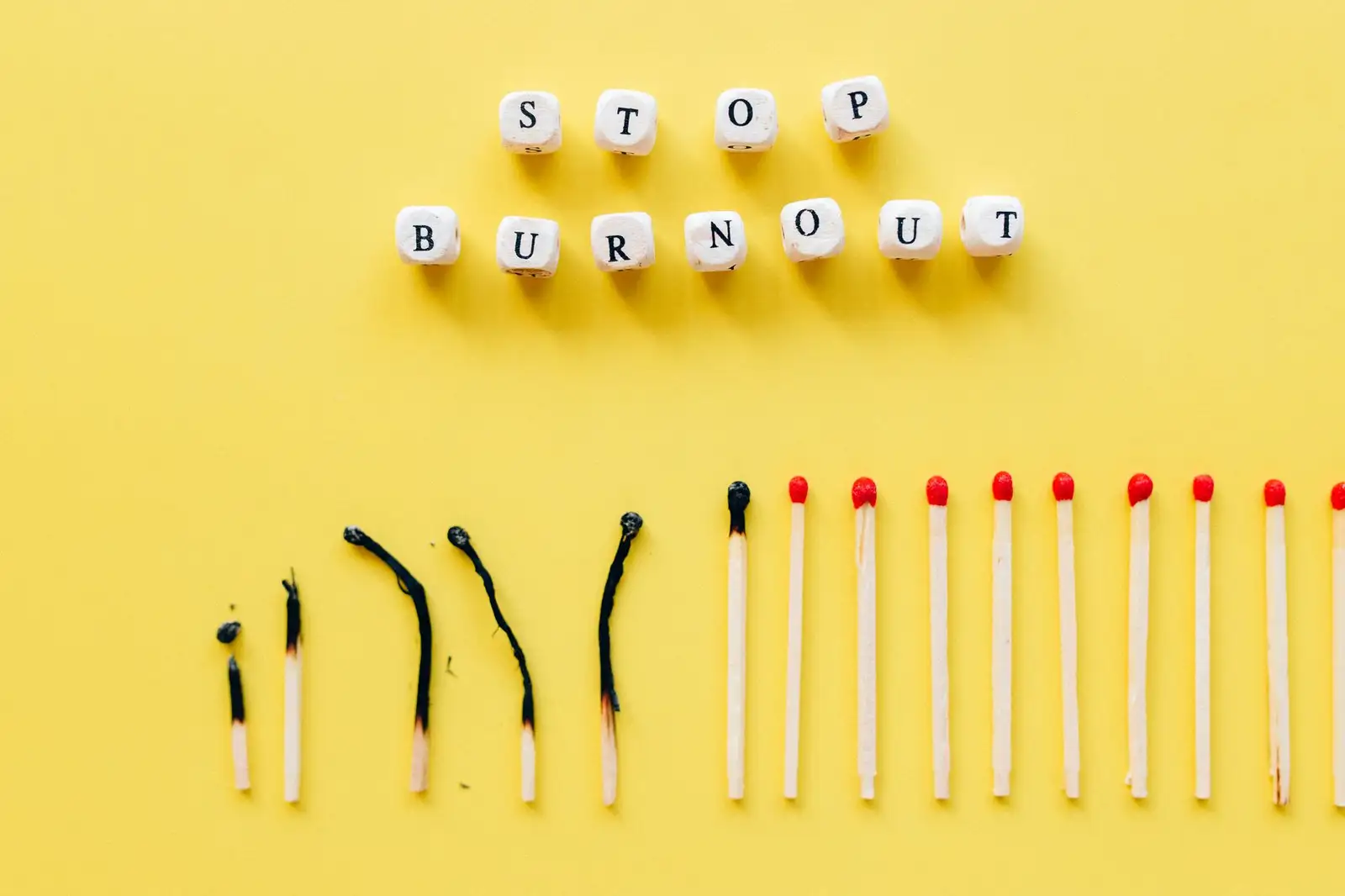
- Burnout among senior leaders isn't a soft-skills problem anymore. It shows up in retention data, decision quality, and the kind of quiet resignation that never makes it into an exit interview.
- A wellness-focused executive retreat only works if wellness is the structure, not a garnish on top of a strategy offsite. Flip the schedule: movement and reflection first, business conversation second.
- The best programs run four days, use small groups (ten to sixteen people), and build in real unscheduled time, not a fifteen-minute wellness break wedged between panels.
- Physiological data (sleep, HRV, cortisol) tends to land harder with finance and operations executives than a breathing exercise will. Know your room.
- Budget realistically. Quality programs for 10-15 leaders run $3,000 to $8,000 per person per day, all-in, and the ROI question is legitimate but genuinely hard to model.
Most executive wellness retreats fail before the first session starts, and it has nothing to do with the venue. It happens in the planning meeting, three months out, when someone on the executive team asks if they can "still get a few hours in on day two for the Q3 numbers," and everyone agrees, because saying no to that request feels like a bigger risk than the burnout it's supposed to be addressing.
That's the whole problem in miniature. Organizations know burnout is real. Gallup's ongoing research on workplace wellbeing has tracked disengagement and exhaustion among managers and executives for years now, and the pattern doesn't move much: leaders report higher stress than the people they manage, not lower, which runs against most of the folk wisdom about who's actually suffering in a company. The World Health Organization classified burnout as an occupational phenomenon back in 2019, which sounds like ancient history until you remember how little most companies changed in response. The problem got named. It didn't get solved.
So here's where we are heading into 2027: a lot of companies are finally ready to build something real. Not a company offsite with a yoga class bolted onto the agenda. An actual leadership retreat for executives that treats renewal as the point, not the byproduct.

Why Wellness Has to Be the Core, Not the Add-On
Most corporate retreats get wellness backward. They schedule a 7am session, put a smoothie bar next to the coffee station, and call it a wellness-forward agenda. Then the team spends six hours in a windowless conference room running through slides, drinks too much at the welcome dinner, and does it all again the next morning. I've watched this exact pattern play out at properties that cost a fortune per night, because the venue was never the issue.
Real recovery requires more than a token gesture. It requires building the days around rest, movement, and reflection first, and letting the harder conversations emerge from that foundation rather than compete with it.
The best executive retreat locations flip the standard schedule entirely. Mornings start with something physical or quiet, not a keynote. Meals run long and slow, phones stay in pockets. Afternoons carry real reflection time, structured but unhurried. Evenings stay quiet enough that people can actually think, rather than decompress with a second bourbon because the day never let them breathe.
The American Psychological Association's stress research has found stress levels among working adults sitting at chronically elevated levels, and executives aren't exempt from that trend just because they have more control over their calendars. Control isn't the same as capacity. A CEO can move a meeting. She can't necessarily move the eighteen months of accumulated depletion that got her to the point of needing the meeting moved.
The Four-Day Arc That Actually Works
I've seen a lot of formats. Three days is too short to get past the small talk. Five days runs into diminishing returns and calendar resistance. Four days, structured deliberately, hits the sweet spot for most groups.
Day One: Arrival and Deceleration
Nothing substantive happens on day one. That's by design. Travel is exhausting, and executives arrive carrying whatever fire they left burning at the office. The entire first day should be built around slowing people down: a walk, an easy group meal, maybe a light briefing on what the next few days will actually involve. Resist the urge to open with a keynote. It undoes everything the schedule is trying to accomplish.
Day Two: Assessment and Individual Work
This is where the biomarker assessments, the bodywork, the one-on-one coaching conversations, and the personal downtime happen. Two to three hours of unscheduled time in the middle of the day feels almost illegal to most executives. That's exactly why it's valuable.
Day Three: Group Work and Connection
Evening dinners should be the social anchor of each day, but day three is where this matters most. Long, unhurried, good food, and a topic of conversation that isn't work. The best retreats I've seen structure these around a single question dropped into the table at the start, something like "what's a moment from your career that you're still learning from?" and then let the conversation go where it goes.
I've watched this work particularly well in settings where the meal itself has its own unhurried logic built in. In parts of central Italy, Sunday lunch still runs for hours as a matter of custom, not indulgence, and a group that eats inside that rhythm for even one evening starts to understand what "unhurried" actually feels like, as opposed to what it sounds like on a printed agenda.
Day Four: Integration and Forward Planning
The last day is where you bring it back to the organizational context. What have people noticed about themselves? What patterns came up? What does the team need from each other in the next quarter? This is also when you can do the strategic planning that some stakeholders will insist needs to be on the agenda.
But keep it to half a day. Maximum.
Destinations That Actually Support This Model
Geography does some of the work for you, or it fights you the entire way. A retreat scheduled at a business hotel off a highway interchange will never feel like renewal, no matter how good the programming is. The right corporate retreat locations impose a pace on the group before a single session begins.
Tuscany and Central Lazio, Italy
Properties in the Val d'Orcia region get a lot of attention, and deservedly. But the smaller towns further north in Lazio, around Soriano nel Cimino and the Cimini hills, offer something the more polished Tuscan circuit sometimes loses: a slower, less staged version of the same landscape. Groups I've worked with have wandered through morning market routines around the piazza in Soriano as an actual activity, not a photo opportunity, and come away with a different sense of what a day is supposed to feel like. The evening passeggiata tradition, where the whole town walks the same streets at the same hour every clear evening, is close to a wellness intervention in itself. Nobody's checking a phone.
Alicante, Spain
SHA Wellness Clinic has built a serious reputation for medically grounded programming, and it's a legitimate option for groups that want data-driven wellness alongside the softer relational work. It leans more clinical than the Italian countryside model, which some executive groups actually prefer.
Douro Valley and Algarve, Portugal
Portugal offers a quieter, less crowded version of the Mediterranean retreat experience. The Douro Valley in particular gives you working landscapes (vineyards, family-run quintas) that lend themselves to the kind of grounded, physical activity that pairs well with reflection work.
Mendoza, Argentina
For companies with a footprint in the Americas, Mendoza offers a different altitude and pace entirely. Wine country retreats here tend to run cheaper than their European equivalents while delivering a comparable sense of remove from ordinary life.
| Destination | Best For | Pace | Typical Cost Range (per person/day) |
|---|---|---|---|
| Central Lazio / Tuscany, Italy | Groups wanting immersive, unhurried programming with strong food and community elements | Slow, village-paced | $3,500-$7,000 |
| Alicante, Spain (SHA Wellness Clinic) | Data-driven executives who want physiological assessment alongside recovery work | Structured, clinical | $4,500-$8,000 |
| Douro Valley, Portugal | Smaller groups wanting working landscapes and lower density | Slow, rural | $3,000-$6,000 |
| Mendoza, Argentina | Americas-based teams, wine country programming at lower cost | Moderate | $2,800-$5,500 |
This kind of comparison also matters for companies weighing wellness retreats against other formats they're running in the same fiscal year, whether that's a straightforward team bonding retreat, a team building retreat with more activity and less reflection, or full-blown incentive travel programs for top performers. The wellness model isn't a replacement for those. It's a different tool, aimed at a different problem.
The Wellness Programming That Actually Moves the Needle
Not all wellness programming carries equal weight in an executive context. Some of it produces lasting change. Some of it gets forgotten by the return flight.
Sleep optimization has the highest return of almost anything you can offer a senior leadership group. Most executives are sleeping poorly and have normalized it entirely, treating five hours as a personality trait rather than a fixable problem. A structured sleep assessment, combined with education around sleep architecture and practical protocol changes, often produces immediate and measurable results. Canyon Ranch and Miraval both run serious sleep programs domestically. SHA Wellness Clinic in Alicante covers similar ground if you want a European option tied to one of the destinations above.
Physiological testing matters to a certain kind of leader. Give them data about their cortisol patterns, their HRV, their metabolic markers, and they'll engage with the wellness programming the same way they engage with a P&L. It makes the abstract concrete. This works particularly well with finance, engineering, and operations executives, the ones who find the softer elements of a retreat harder to value until there's a number attached to it.
Somatic work is having a real moment in executive wellness, and for good reason. Leaders who carry chronic stress in their bodies often discover, in a session with a skilled practitioner, that they've been operating with a level of physical tension they'd completely stopped noticing. Craniosacral therapy, Rolfing, trauma-informed yoga, breathwork. These modalities aren't for everyone. But for the right person, they produce a genuine shift in how they feel and function, sometimes within a single session.
Shared physical labor is underrated as wellness programming, and it's one of the reasons I keep pointing companies toward destinations with real agricultural life still running in the background. A morning spent doing something physical alongside local producers, whether that's working a hazelnut harvest in the Soriano countryside or pulling corks in a family cellar, gives a leadership team a shared task with no hierarchy attached to it. Nobody's the CEO when everyone's raking hazelnuts under a tarp. That flattening effect is worth more than most facilitated exercises I've seen, and it costs almost nothing to arrange.
HBR's research on executive burnout has made a related point worth repeating here: the recovery habits that actually protect senior leaders tend to be embodied and social, not purely cognitive. A leadership team that spends four days talking about resilience without doing anything physical together is, in a sense, skipping the part of the intervention most likely to stick.
Facilitation: Who You Actually Need in the Room
This is where a lot of programs quietly fall apart. Facilitators who work primarily with mid-level teams often find themselves under-equipped for a room full of C-suite executives who are used to being the smartest person in the room, and who will test a facilitator's credibility in the first twenty minutes whether they mean to or not.
The best facilitators for this work have usually had careers outside facilitation first. Former executives who went deep into mindfulness or somatic work. Therapists who crossed over into organizational consulting. Coaches who've done serious personal development work themselves, not just studied the theory of it. You're looking for someone who can hold their own in a conversation about market dynamics and then pivot to asking a CEO why he hasn't cried in four years.
That person exists. They're worth finding, and worth paying for, because a mediocre facilitator in this context doesn't just underperform, they can actively damage trust in the room.
Budgeting: What This Actually Costs
Be honest with yourself about the numbers upfront.
A well-designed executive wellness retreat for a group of 10-15 leaders, running four days at a quality destination, will typically run somewhere between $3,000 and $8,000 per person per day, all-in. That includes accommodation, food, wellness programming, facilitation, and any activities. Private, fully staffed properties sit at the higher end. A well-sourced circuit built around smaller family-run operations, the kind that don't show up on the first page of a search for luxury executive retreats, can sometimes come in lower if you're willing to do the legwork or work with someone who already has.
The ROI conversation is real but hard to quantify. McKinsey's work on organizational health has repeatedly found a connection between leadership wellbeing and downstream performance metrics, though nobody's produced a clean formula that turns "the CEO slept better" into a specific dollar figure on next quarter's earnings call. What's the value of a leadership team that returns from a retreat genuinely renewed, rather than just slightly rested? What's the cost of losing a key executive to burnout, or to a competitor offering better support structures? These aren't rhetorical questions with obvious answers. They're calculations each organization has to make for itself, informed by its own attrition history and its own tolerance for risk.
What I'd say, having watched a lot of these programs run: companies that treat executive wellness retreats as discretionary spending tend to do them badly, or not at all. Companies that treat them as infrastructure, the same category as leadership development or succession planning, tend to build cultures where sustained high performance is actually possible instead of just demanded.
Practical Logistics Worth Getting Right
Timing matters more than most planners admit. The worst window to run an executive wellness retreat is immediately before or after a major business event: earnings, a product launch, a merger close. Everyone will be distracted in one direction or another, checking phones under the table no matter how firm the no-phones policy was on paper. Aim for a period of relative organizational calm, which I know is harder to find than it sounds on a corporate calendar that never really goes quiet.
Group size should stay small. Twelve is close to ideal. Fewer than eight and you lose the relational diversity that makes group programming interesting. More than sixteen and you start losing the intimacy that makes it safe enough for people to go deep in the first place.
Pre-retreat preparation is underused. Send participants a short questionnaire two weeks before departure. Ask what they're hoping to get out of the four days, what's been hardest about the last six months, whether they're carrying anything specific into the room. It sounds like a small thing. It changes how people show up on day one, because they've already started the internal work of naming what they need instead of arriving cold.
And be careful with the phrase "all inclusive." A lot of properties market all inclusive corporate retreats on the strength of an open bar and a spa credit, which is not the same thing as a program built around actual recovery. Read the daily schedule before you read the amenities list.
Making the Decision
There's a version of this retreat you can build entirely in-house: pick a nice property, hire a facilitator, bolt on a masseuse for the afternoons, call it a leadership retreat. It'll be fine. Fine isn't really the goal, though, and the gap between fine and actually transformative usually comes down to depth of local relationships, the quality of facilitation, and whether the wellness work is genuinely woven into the structure or just scheduled around it.
For companies that want to build this kind of program from scratch, working with a destination management company that knows the region cold is worth the extra planning time. For those who prefer a specialist, operators who specialize in executive travel tend to already have the local relationships, the wellness partners, and the sourcing knowledge that would otherwise take months to build. That's not a small thing when the whole point of the exercise is giving your leadership team something they couldn't just book themselves.
Either way, the standard to hold yourself to is simple. If your team comes home talking about the property, you got a nice trip. If they come home talking about a conversation they had, or a habit they've actually kept a month later, you got the thing you were supposed to be building.


Comments (0)
No comments yet. Be the first!